How Collision Damage Gets Repaired: A Step-by-Step Look Behind the Scenes
What Actually Happens to Your Vehicle After a Collision in Raleigh
Why Understanding the Repair Process Matters
Getting into an accident is stressful enough on its own, but then comes the part that leaves most drivers feeling completely in the dark: the repair process. You drop off your car, and somehow it comes back looking like nothing ever happened. But what actually goes on between those two moments? At LDA Collision Center, we believe that an informed customer is a confident customer, and confidence is the last thing most people feel after a fender-bender on I-440 or a parking lot mishap near Crabtree Valley Mall. Understanding the steps involved in repairing collision damage helps you ask the right questions, set realistic expectations, and feel good about trusting someone with one of your most valuable assets. Whether you are dealing with a minor scrape or significant structural damage, the process follows a clear, methodical sequence that skilled technicians take seriously at every stage.
Step One: The Initial Damage Assessment
Every professional collision repair begins with a thorough inspection, and this step is far more involved than simply eyeballing a dented bumper. When your vehicle arrives at the shop, a trained technician performs a comprehensive assessment that accounts for both visible and hidden damage. This is especially important because Raleigh’s roads, from the congested stretches of Capital Boulevard to the winding routes through North Hills, can produce impact forces that travel well beyond the point of contact. The technician documents damage with photographs, notes any structural concerns, and prepares a detailed estimate. At this stage, the shop also communicates directly with your insurance company if you are filing a claim, gathering all the information needed to authorize repairs and move forward without unnecessary delays. Skipping or rushing this step is one of the most common reasons repairs fail to fully restore a vehicle’s safety and appearance.
Step Two: Disassembly and Hidden Damage Discovery
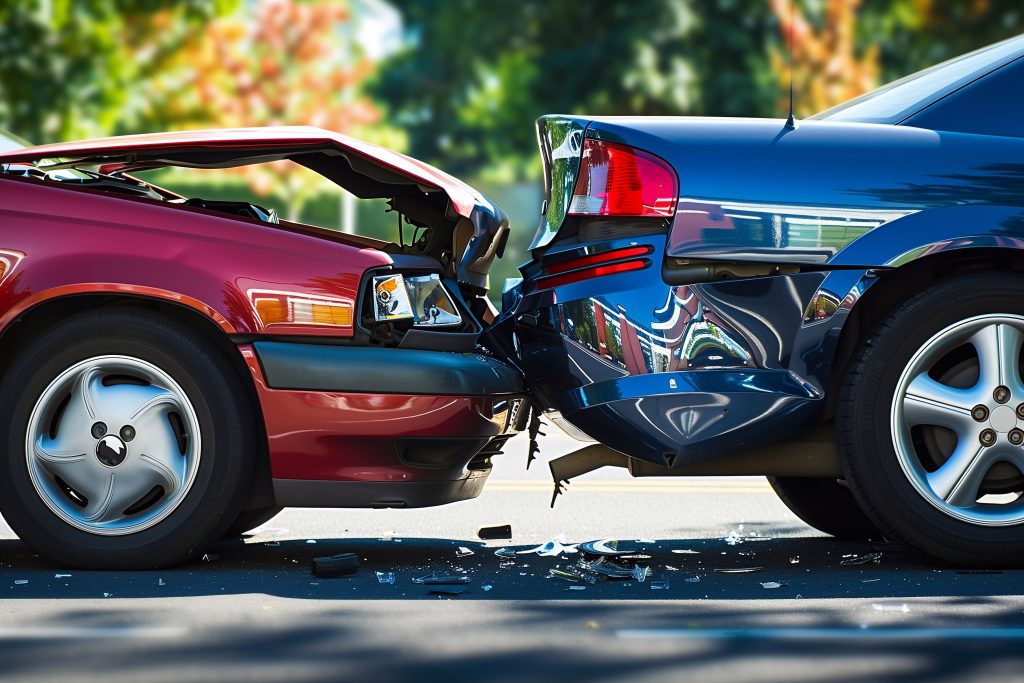
Once the estimate is approved, the real work begins with disassembly. Technicians carefully remove damaged panels, trim pieces, and components to expose what lies underneath the surface. This is where collision repair gets genuinely complex, because what looks like a simple bumper replacement on the outside can reveal bent frame rails, damaged sensors, or compromised structural supports underneath. Modern vehicles are engineered with crumple zones and advanced driver assistance system sensors embedded throughout the body, meaning even a moderate collision can affect components that are not immediately visible. In Raleigh, where stop-and-go traffic during peak hours on Wade Avenue or near the Beltline creates frequent rear-end collision scenarios, hidden sensor and frame damage is something technicians encounter regularly. Thorough disassembly ensures that nothing gets missed before repairs begin.
Step Three: Structural and Frame Repair
If the collision affected your vehicle’s frame or structural components, this repair phase is arguably the most critical part of the entire process. Technicians use computerized measuring systems and frame straightening equipment to restore the vehicle’s geometry to manufacturer specifications. This is not guesswork; precise measurements are compared against the vehicle’s original factory data to confirm that every dimension is correct before moving forward. A vehicle with improperly repaired frame damage will not handle correctly, may fail to protect occupants in a future accident, and can experience premature tire wear or alignment issues down the road. Structural integrity is the foundation on which every other repair step is built, which is why reputable collision shops invest in professional-grade frame equipment and trained technicians who know how to use it accurately.
Step Four: Panel Repair and Replacement
With the structure confirmed, attention shifts to the body panels themselves. Depending on the extent of the damage, panels may be repaired using dent removal and metal reshaping techniques, or they may need to be replaced entirely with new OEM or equivalent quality parts. Skilled body technicians use a combination of tools and methods to restore panel surfaces to a smooth, factory-level finish before any paint is applied. Small imperfections matter here because even a slight surface irregularity will be visible once paint goes on. In cases where replacement parts are needed, quality sourcing is essential. Using inferior aftermarket panels can result in poor fitment, premature corrosion, and a finished product that simply does not look right. Taking the time to properly repair or replace each panel is what separates a truly professional collision repair from a quick cosmetic fix.
Step Five: Paint Preparation and Color Matching
Paint preparation is a multi-stage process that begins long before any color is applied. Technicians sand, prime, and seal repaired surfaces to create the ideal foundation for paint adhesion. Proper prep work prevents issues like peeling, bubbling, or uneven texture that can emerge weeks or months after a repair. One of the most important aspects of this stage is color matching, which is a process that LDA Collision Center takes seriously with dedicated color match technology. Every vehicle’s paint has a unique code, but factors like sun exposure, age, and regional climate conditions mean that the paint on your car may have shifted slightly from its original shade. Raleigh’s warm summers and UV-intense sunshine contribute to paint fade over time, making precise color matching even more important for a seamless, invisible repair. A well-matched color blend is what makes the finished repair truly undetectable.
Step Six: Paint Application and Curing
Applying paint to a vehicle is a skilled trade that requires a controlled environment, quality materials, and experienced hands. Technicians apply primer coats, base coat color, and clear coat in carefully sequenced layers, allowing proper flash times between each application. The vehicle is then moved into a spray booth where temperature and airflow are regulated to ensure the paint cures correctly. This controlled curing process is what gives the finish its durability, depth, and gloss. Cutting corners during paint application is one of the easiest ways for a repair to look acceptable today but begin showing problems within a year. A professional collision shop treats every paint job with the same level of care regardless of whether it is a full panel repaint or a small blended section, because the standard for quality should never change based on the size of the job.
Step Seven: Reassembly, Calibration, and Final Inspection
After paint has fully cured, the vehicle moves into reassembly. Every component that was removed during disassembly is reinstalled, including trim pieces, lighting, sensors, and any mechanical components that were affected by the collision. This is also when modern vehicles require an important additional step: recalibration of advanced driver assistance systems. Cameras, radar units, and proximity sensors that support features like lane departure warning, automatic emergency braking, and blind spot monitoring must be recalibrated after collision repairs to ensure they function correctly. Skipping this step can leave safety systems operating inaccurately, which creates real risk on roads like US-1 or I-40 where highway driving demands reliable safety technology. Once reassembly and calibration are complete, a final quality inspection reviews every aspect of the repair before the vehicle is returned to the customer.
Collision Repair You Can Count On in Raleigh, NC
From the initial assessment all the way through the final inspection, professional collision repair is a detailed, multi-stage process that demands skill, proper equipment, and a genuine commitment to quality. LDA Collision Center was built on exactly that foundation, started by a family who wanted to create a body shop they could be proud of and a place where every customer, whether paying out of pocket or working through insurance, receives the same high standard of care. The shop works with insurance companies and customer-pay clients, accepts walk-ins, and offers financing options to help make repairs accessible regardless of your situation. If your vehicle has been in a collision and you are ready to get it back to the way it should be, reach out to the team at 1311 Beacon Lake Dr # 120, Raleigh, NC 27610 or call (919) 706-9844. You can also stop by during business hours, Monday through Friday Mon – Fri: 8:00am – 6:00pm or Saturday Sat: 9:00am – 4:00pm, and the team will be ready to help.
Frequently Asked Questions About Collision Repair
How long does collision repair typically take?
Repair timelines vary based on the extent of the damage, parts availability, and whether hidden damage is discovered during disassembly. Minor repairs may take a few days, while more extensive structural or multi-panel repairs can take one to two weeks or longer. Your shop should provide an estimated timeline after the initial assessment.
Will my car look exactly the same after a collision repair?
A professional collision repair performed with proper color matching and quality materials should restore your vehicle to its pre-accident appearance. Precise color blending and careful panel work are what make the repair virtually undetectable, though results can vary depending on the age of the vehicle and the extent of original paint fade.
Does collision repair include fixing airbags and sensors?
Yes, a complete collision repair addresses all affected components, including airbags, sensors, and advanced driver assistance systems. Cameras and radar units often require recalibration after repairs to ensure safety features like automatic braking and lane assist function correctly. Skipping sensor recalibration can compromise vehicle safety.
Should I go through insurance or pay out of pocket for collision repair?
This depends on the extent of the damage, your deductible, and how a claim might affect your premium. For minor damage, paying out of pocket may be more cost-effective. For significant structural or multi-panel damage, filing an insurance claim is often the practical choice. A reputable shop can work with either approach.
Can I drive my car after a collision before getting it repaired?
It depends on the type and severity of the damage. Visible body damage does not always mean the vehicle is unsafe to drive, but hidden structural damage, compromised lighting, or affected steering and suspension components can make driving dangerous. It is always best to have the vehicle inspected before making that decision.
How Collision Damage Gets Repaired: A Step-by-Step Look Behind the Scenes What Actually Happens to Your Vehicle After a Collision in Raleigh Why Understanding the Repair Process Matters Getting into an accident is stressful enough on its own, but then comes the part that leaves most drivers feeling completely in the dark: the repair process. Read More
Why Your Brakes Are Making Noise: A Symphony of Squeaks and Solutions Ah, the sweet sound of your car’s brakes performing their latest hit single, “Screech at the Stoplight” or perhaps the chart-topping “Grinding Groove in G Minor.” If your vehicle’s attempting to start its own garage band, it’s probably time we had a chat Read More
How to Fix a Car: A Lighthearted Guide for the Not-So-Handy So, you’ve found yourself staring at your car, which now resembles a sad metal box with a flair for dramatic breakdowns. Fear not, brave soul! With just a little elbow grease and a dash of humor, we can tackle this automotive conundrum together. Buckle Read More